Blog

Improved progressive motility recovery with a standardized gradient-based approach for semen preparation in IUI

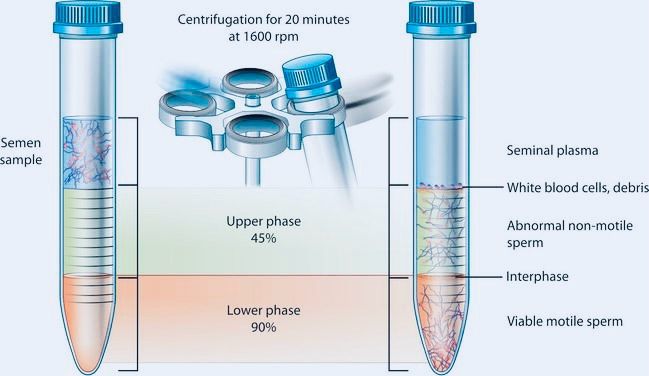
Objective:To evaluate the laboratory performance of a standardized gradient-based sperm preparation system designed to improve progressive motility recovery during density gradient centrifugation for intrauterineinsemination (IUI). Design:Retrospective, multicenter laboratory cohort study. Patients:A total of 13,416 semen samples processed for IUI. Interventions:Comparison between a conventional density gradient centrifugation method and a standardized gradient-based preparation system (RS system) […]

Read More

AI + Azoospermia/micro TESE

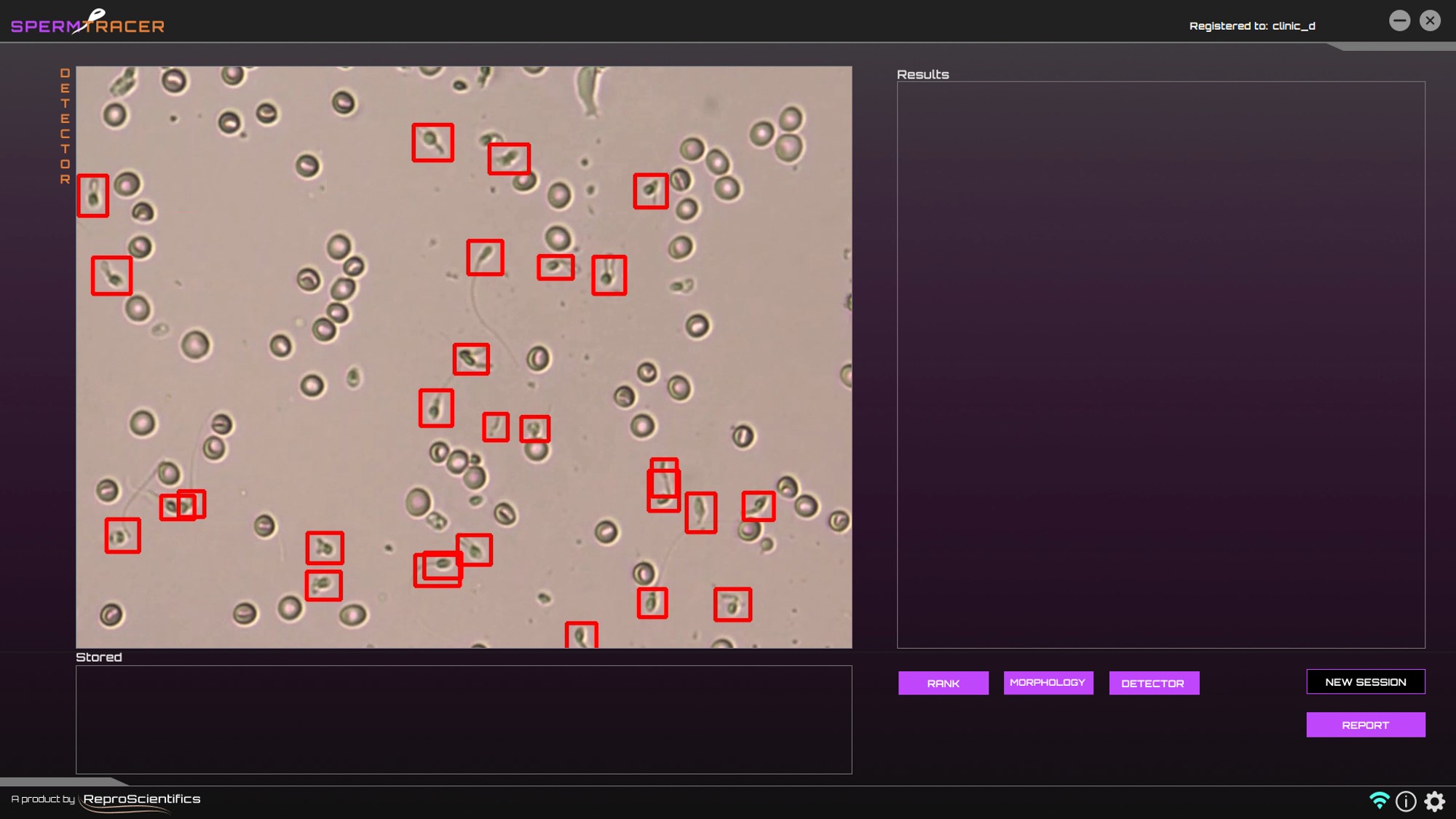
Can AI Help Find Sperm in Azoospermia and mTESE Samples? Azoospermia means that no sperm are detected in a man’s ejaculate. Although this can be a challenging diagnosis, the absence of sperm in semen does not always mean that sperm cannot be found elsewhere in the reproductive system. In some cases, sperm retrieval procedures such […]

Read More

Sperm storage causes sperm senescence in human and non-human animals

In animals, mature sperm are stored in males before ejaculation and sometimes in females before fertilization. Sperm storage provides evolutionary advantages; however, storage can also cause sperm deterioration owing to post-meiotic sperm senescence (PMSS). Yet, the extent of such deterioration, the mechanisms driving it and its fitness consequences remain poorly understood. We perform a meta- […]

Read More

Cost-benefit potential of sperm function testing to the treatment pathway for unexplained infertility: a modelling study from the UK NHS perspective

One-third of infertile couples struggle to conceive despite normal examination and tests. For men, semen analysis is the only widely-adopted diagnostic tool to assess male infertility. However, it is unable to detect abnormal sperm function or accurately predict pregnancy except in cases of complete absence of sperm. Sperm function tests (SFT) could help by directing […]

Read More

Signatures of sex ratio distortion in humans

Segregation distortion, the disproportionate inheritance of selfish genetic elements, is an important evolutionary force. While many species carry distorters, it is not clear if humans do. Major limitations for detecting human distortion are the small size of human families and the lack of genetic markers in most subjects. Here, we present evidence of strong distortion […]

Read More

The spermatozoon neck role in infertility and intracytoplasmic sperm injection outcomes

The mammalian spermatozoon neck is a unique structure that functions during spermatid differentiation and spermatozoa swimming, and its contents are critical for post-fertilization embryogenesis. Mutations in proteins localizing to the neck connecting piece (the modified pericentriolar material) result in acephalic spermatozoa. In contrast, mutations in proteins localizing to the centriole often produce abnormal tail morphology. […]

Read More

Distinct post-insemination dynamics between fresh and frozen-derived gametes using testicular sperm

To evaluate differences in post-insemination events between fresh and frozen-derived gametes when testicular sperm extraction (TESE) is used. Method A retrospective cohort study including 980 oocytes retrieved across 72 cycles from 30 couples, between January 2017 and September 2023. Gamete sources were fresh (fresh-TESE) or frozen-thawed-TESE (frozen-TESE) from the same patients with non-obstructive azoospermia (NOA), […]

Read More

Sperm selection for assisted reproductive technology: do we have a winner?

Assisted reproductive technology (ART) has emerged as a pivotal solution for human infertility, with intracytoplasmic sperm injection (ICSI) being widely adopted. The quality of sperm is critical to the outcomes of ART, and the selection of optimal sperm is essential for enhancing embryo quality. In recent years, researchers have developed various advanced sperm selection methods […]

Read More

Physical activity, sedentary time and sperm DNA fragmentation index in healthy Japanese men

Are physical activity and sedentary time associated with the DNA fragmentation index (DFI) score and conventional semen parameters in healthy Japanese men? The study found that igher total physical activity was associated with a lower DFI score (P-value for trend = 0.002), with the third and fourth total physical activity quartiles showing a 21% (95% CI 5–34%, P = 0.013) […]

Read More