Can AI Help Find Sperm in Azoospermia and mTESE Samples?
Azoospermia means that no sperm are detected in a man’s ejaculate. Although this can be a challenging diagnosis, the absence of sperm in semen does not always mean that sperm cannot be found elsewhere in the reproductive system.
In some cases, sperm retrieval procedures such as micro-TESE may be considered.
This is an area where sperm detection can become particularly challenging for the laboratory.
What is azoospermia?
Azoospermia is generally classified into two broad categories:
Obstructive azoospermia
Sperm production may be occurring, but a blockage prevents sperm from reaching the ejaculate.
Non-obstructive azoospermia
Sperm production within the testes is significantly impaired. However, small areas of sperm production may sometimes remain.
The appropriate evaluation and treatment depend on the underlying cause.
What is mTESE?
Micro‑TESE (microdissection testicular sperm extraction) is a male infertility surgery that uses a high‑powered operating microscope to identify tiny seminiferous tubules most likely to contain sperm. It is considered the gold‑standard technique for men with non‑obstructive azoospermia (NOA), where sperm production is severely impaired
During the procedure, a specialist retrieves testicular tissue that is then examined by the laboratory for the presence of sperm.
Why can sperm detection be difficult?
A testicular tissue sample can contain many cells and structures that make identifying individual sperm challenging.
In some cases, sperm may be:
- Extremely rare
- Immotile
- Difficult to distinguish from other cells
- Present only in small areas of tissue
Finding even a small number of sperm can therefore require careful laboratory examination.
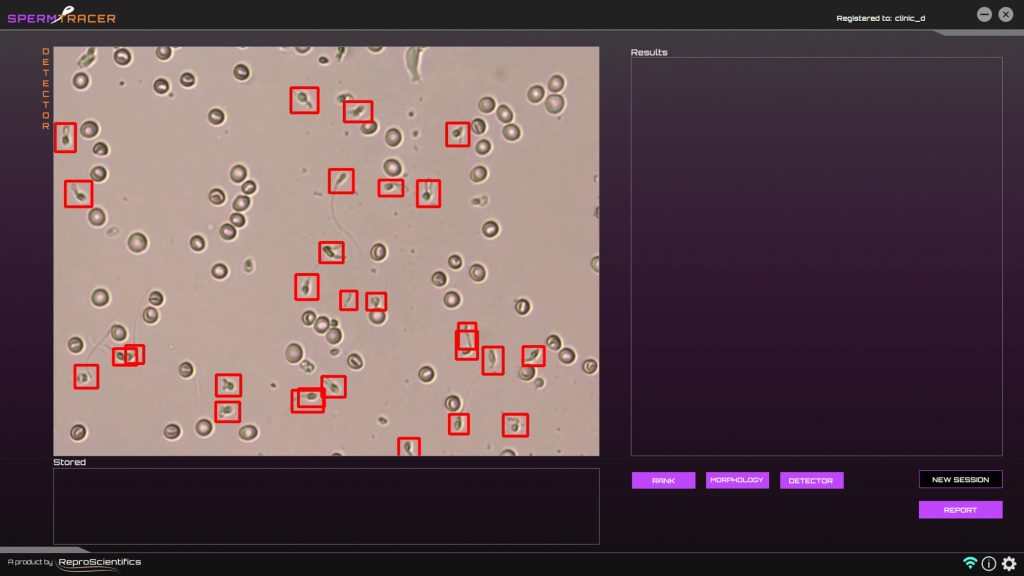
Where can AI fit into this process?
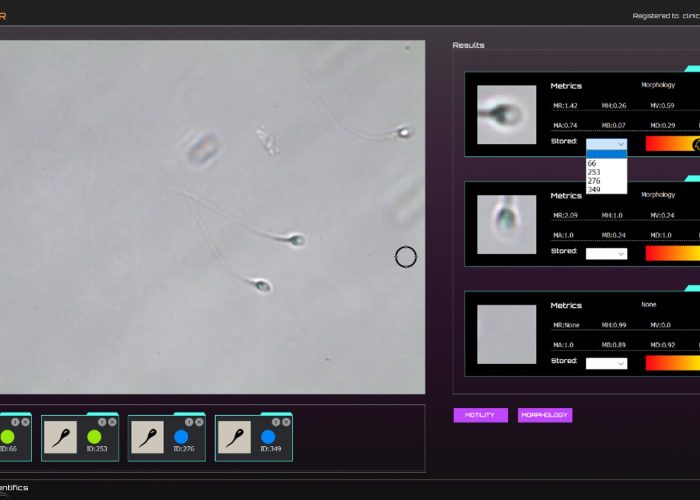
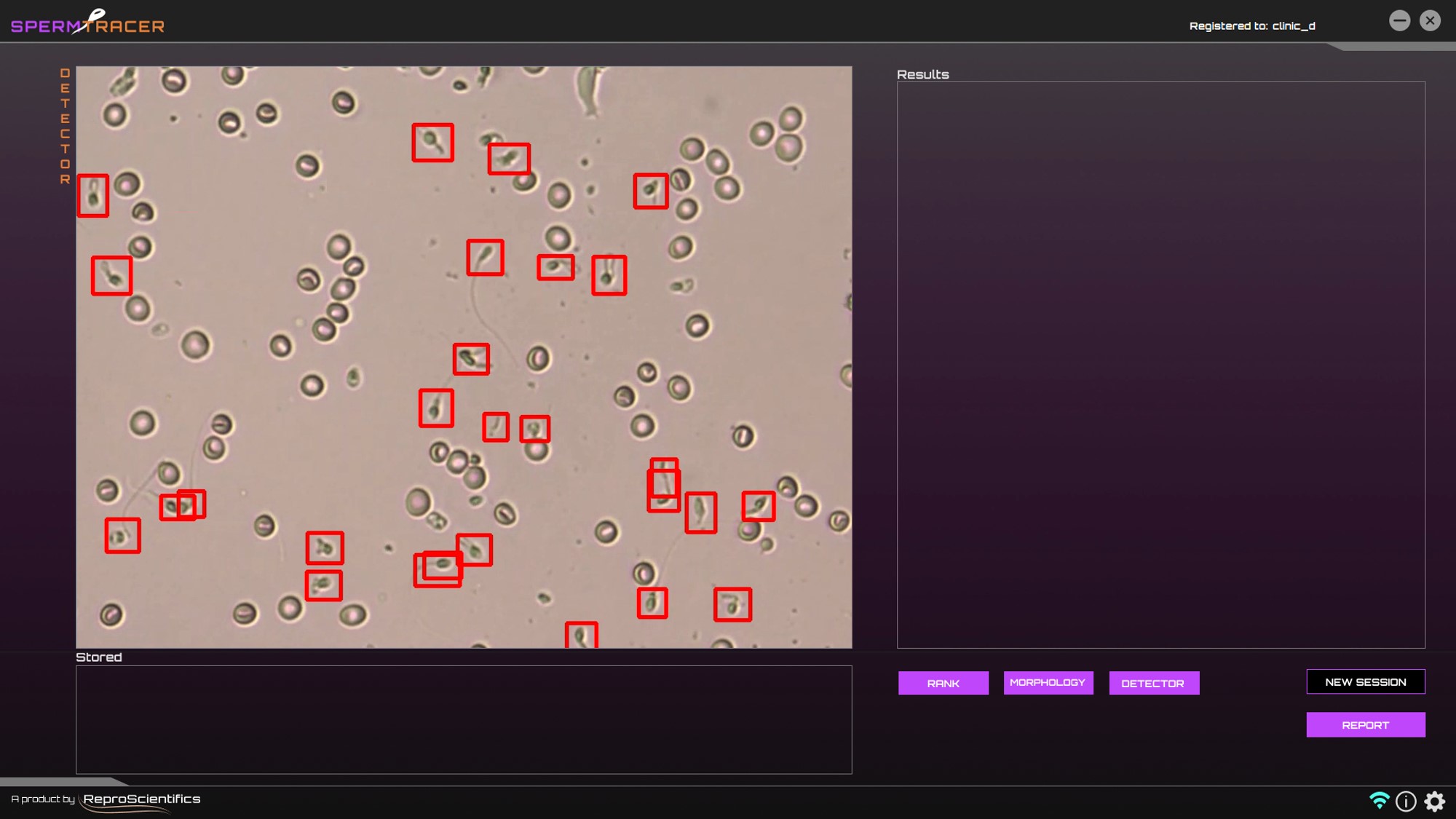
AI-based sperm detection technology can potentially assist laboratory professionals by helping identify sperm within complex samples.
Sperm Tracer includes a Spermatozoa Detector designed to support sperm detection in challenging samples.
Its intended applications include samples associated with severe oligozoospermia, azoospermia and sperm-retrieval procedures such as micro-TESE, TESA and PESA.
Does AI guarantee that sperm will be found?
No.
AI cannot create sperm where sperm are absent, and it cannot guarantee successful sperm retrieval.
The underlying biology remains the most important factor.
AI-assisted detection is intended to support the laboratory search when sperm may be difficult to identify.
What happens if sperm are found?
If viable sperm are identified and the clinical team determines that they are suitable for treatment, they may potentially be used in assisted reproductive procedures such as ICSI.
The specific approach depends on the patient’s diagnosis, the sperm retrieved, and the fertility team’s treatment plan.
Hope for men with azoospermia
Azoospermia can be emotionally difficult, but it does not automatically mean that biological fatherhood is impossible.
A reproductive urologist and fertility specialist can evaluate the cause and discuss appropriate options.
Technologies such as AI-assisted sperm detection are being developed to support laboratories working with some of the most challenging sperm samples.
Learn more about Sperm Tracer’s sperm-detection technology
Hey! If you found this post interesting or useful, you can help us get even better by subscribing to our newsletter. Just write your email and you’ll have the latest fertility news.
Thank you once more for your help.