AI vs Traditional Sperm Selection for ICSI: What’s the Difference? Sperm selection is an essential laboratory step during ICSI. Traditionally, an embryologist examines sperm under a microscope and selects an individual sperm based on observable characteristics. Artificial intelligence is introducing another approach: using computer-based analysis to provide additional information about sperm. But what is actually...Read More
How Does Sperm Tracer Work? Understanding AI-Assisted Sperm Selection The technology is designed to provide real-time information about sperm characteristics while keeping the embryologist at the center of the decision-making process. What does Sperm Tracer analyze? Sperm Tracer is designed to assess important sperm characteristics, including: Motility Morphology Movement patterns Individual sperm characteristics It also...Read More
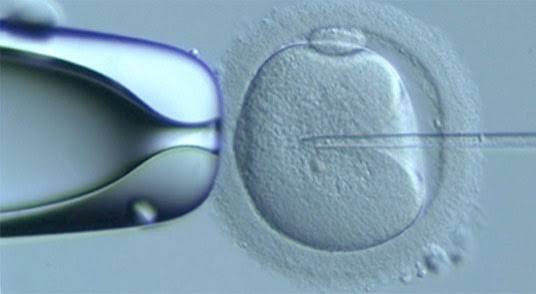
Can AI Improve Sperm Selection for ICSI? When couples undergo ICSI, one sperm is carefully selected by an embryologist and injected directly into the egg. This makes sperm selection an important part of the laboratory process. Traditionally, embryologists assess sperm by observing characteristics such as movement and appearance under a microscope. Advances in artificial intelligence...Read More
How Does ICSI Help When Sperm Motility Is Low? Sperm motility refers to how well sperm move. When sperm have reduced motility, they may have greater difficulty reaching and fertilizing an egg naturally. Depending on the severity and underlying cause, fertility specialists may recommend treatments such as ICSI. What is low sperm motility? Motility is...Read More
Can AI Help Find Sperm in Azoospermia and mTESE Samples? Azoospermia means that no sperm are detected in a man’s ejaculate. Although this can be a challenging diagnosis, the absence of sperm in semen does not always mean that sperm cannot be found elsewhere in the reproductive system. In some cases, sperm retrieval procedures such...Read More
Sperm that were immobile became active after just 20 seconds of ultrasound exposure in a lab experiment that may help boost the success of fertility treatment. Exposing immobile sperm to ultrasound waves gets them moving, a lab study has shown. Sperm that don’t move properly are a key cause of infertility, as it is harder...Read More
Are the prospective reproductive outcomes in RPL couples related to sperm DNA fragmentation index (DFI) measured by SCSA, morphology and concentration at referral? Design A prospective cohort study including 95 couples seen between 01/04/2018 and 01/12/2019 at the tertiary Copenhagen RPL Unit, Copenhagen University Hospital, Rigshospitalet and Hvidovre Hospital, Denmark. The couples had experienced three...Read More
Exposure of the female reproductive tract to either seminal plasma or fluid component of the ejaculate is beneficial to achieving successful embryo implantation and normal embryo development. But whether the “physical” component of sexual intercourse during the peri-transfer period have any influence on frozen-thawed embryo transfer (FET) pregnancy outcomes is not clear. We conducted a...Read More
High childhood BMI is strongly associated with obesity and cardiometabolic disease and mortality in adulthood. Children conceived after FET have a higher risk of being born large for gestational age (LGA) than children conceived after NC. It is well-documented that being born LGA is associated with an increased risk of obesity in childhood, and it...Read More
The integration of artificial intelligence (AI) and deep learning algorithms into medical care has been the focus of development over the last decade, particularly in the field of assisted reproductive technologies and in vitro fertilization (IVF). With embryo morphology the cornerstone of clinical decision making for IVF, the field of IVF is highly reliant on...Read More
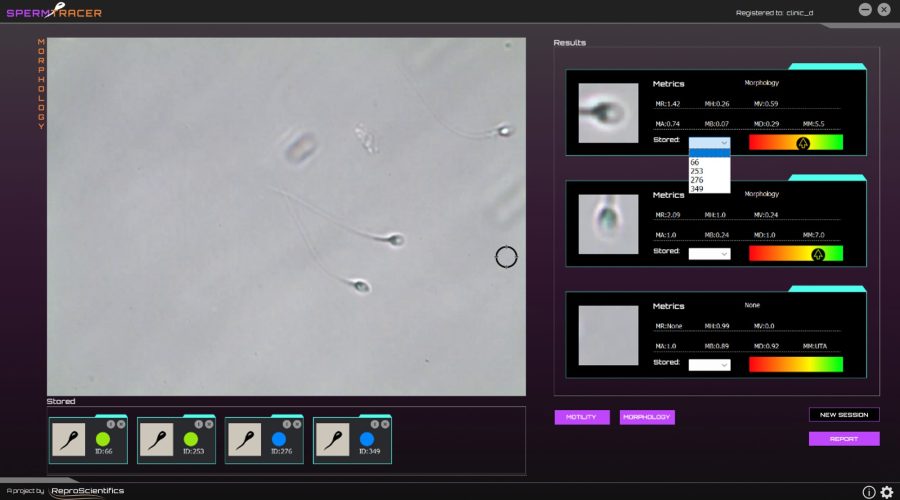
Sperm Tracer is a unique AI technological software that supports fertility experts and embryologists to evaluate, in real-time, the best sperm for ICSI procedures.
Each embryo carries 50% of the genetic information of an oocyte and 50% of a sperm. Every single sperm participating with 50% of the DNA cargo of the embryo, could play a detrimental role for the embryo itself and its quality.
If you believe you are among the pioneers, we may be able to help you reach even higher.
We use cookies to ensure that we give you the best experience on our website. If you continue to use this site we will assume that you are happy with it.




Recent Comments