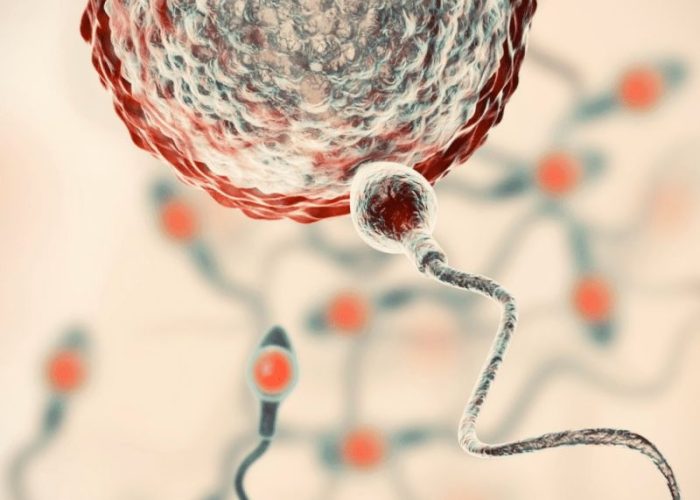
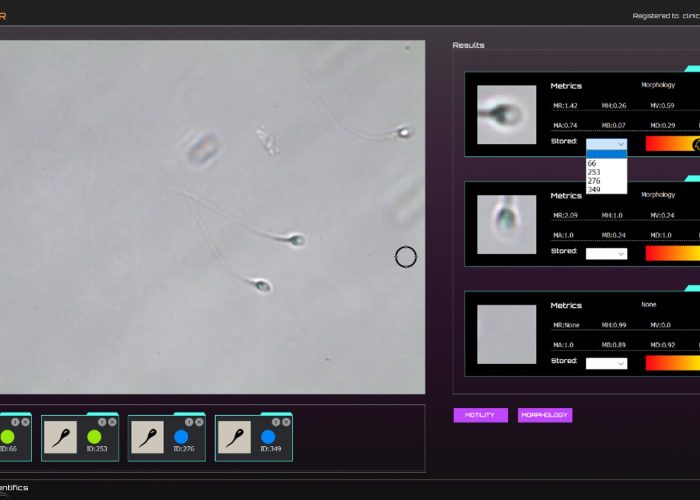
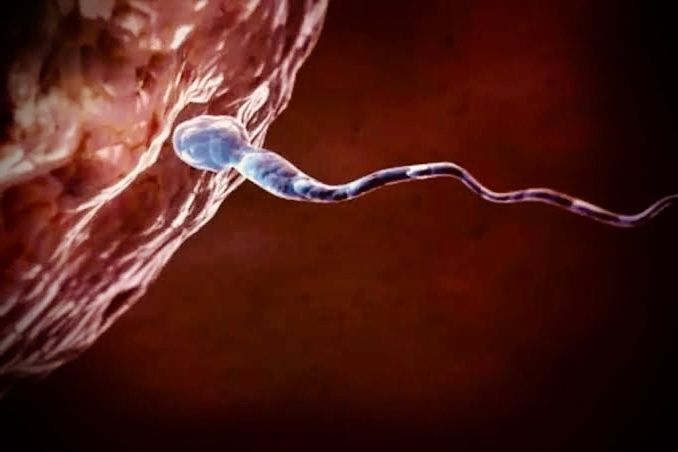
In animals, mature sperm are stored in males before ejaculation and sometimes in females before fertilization. Sperm storage provides evolutionary advantages; however, storage can also cause sperm deterioration owing to post-meiotic sperm senescence (PMSS). Yet, the extent of such deterioration, the mechanisms driving it and its fitness consequences remain poorly understood.
We perform a meta- nalysis across human (115 studies) and non-human animals (56 studies, 30 species) to understand the impacts of in vivo sperm storage. In men, we find that storage via sexual abstinence increases sperm oxidative stress and DNA damage, while reducing sperm viability and motility. In non-human animals, sperm storage in males or females reduces sperm performance, including fertilization success and embryo quality. In men, the method used for sampling individuals—and in other animals, the sex-specific duration of storage—modulates observed outcomes.
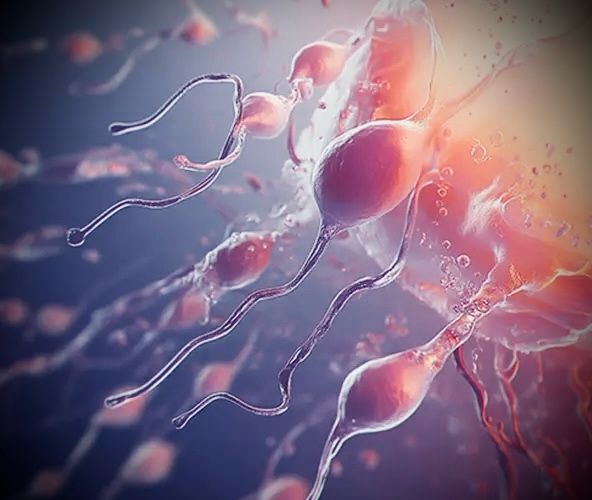
Our results highlight the mechanisms of sperm deterioration during storage and its consequences for pre- and post-fertilization outcomes. These have important implications for fertility clinics, sperm selection, captive breeding and understanding evolved adaptations that mitigate stored-sperm deterioration. Importantly, our results can help to optimize the timing of ejaculate collection and storage.
Hey! If you found this post interesting or useful, you can help us get even better by subscribing to our newsletter. Just write your email and you’ll have the latest fertility news.
Thank you once more for your help.