What Is ICSI and When Is It Used for Male Infertility?
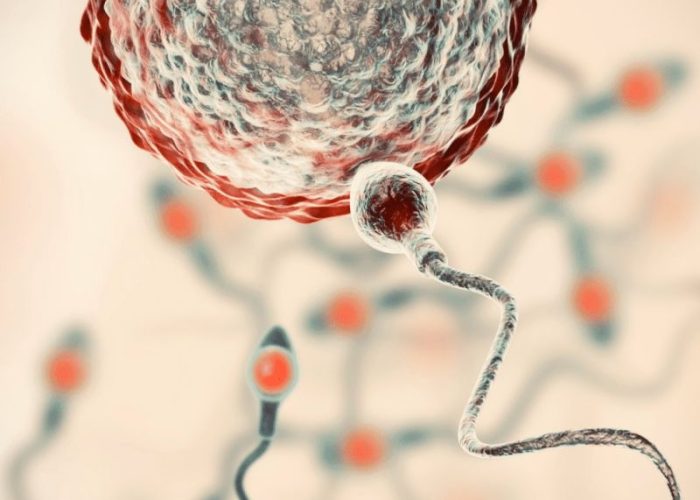
Intracytoplasmic sperm injection, commonly known as ICSI, is a form of assisted reproduction in which a single sperm is injected directly into an egg.
ICSI is widely used when there are significant sperm-related fertility challenges, although it can also be recommended in other circumstances.
How does ICSI work?
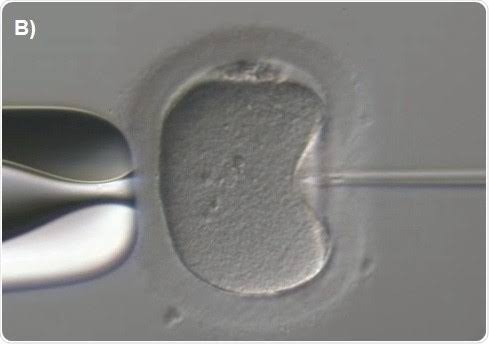
ICSI takes place in a fertility laboratory.
The general process involves:
- Eggs are collected following ovarian stimulation.
- The eggs are prepared in the laboratory.
- Sperm are assessed and individual sperm are selected.
- A single sperm is injected directly into an egg.
- The fertilized eggs are monitored for embryo development.
- An embryo may subsequently be transferred to the uterus.
The precise treatment protocol varies between patients.
Why is ICSI used for male infertility?
ICSI can be particularly useful when sperm have difficulty fertilizing an egg through conventional IVF.
Examples can include:
- Very low sperm count
- Poor sperm motility
- Significant sperm morphology abnormalities
- Previous fertilization failure
- Sperm obtained through surgical retrieval
ICSI can also be considered in situations where only a small number of sperm are available.
IVF vs ICSI
In conventional IVF, many sperm are placed around an egg and fertilization occurs without direct injection of a sperm.
With ICSI, an embryologist injects one selected sperm directly into the egg.
This makes individual sperm selection an important part of the ICSI procedure.
Where does sperm selection fit into ICSI?
Before injection, the embryologist examines available sperm and chooses an individual sperm according to established laboratory criteria.
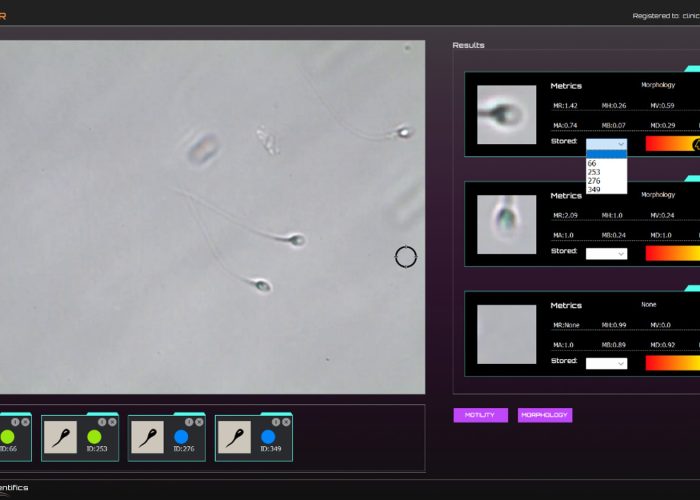
Sperm Tracer is designed to support this step by providing AI-assisted information about sperm characteristics such as motility and morphology.
Does ICSI guarantee pregnancy?
No.
ICSI addresses a particular part of the fertilization process, but successful treatment depends on many other factors.
Egg quality, embryo development, age, reproductive health, sperm characteristics and other clinical factors can all influence outcomes.
Is ICSI right for everyone?
Not necessarily.
The decision between conventional IVF, ICSI, or other treatment approaches should be made with a fertility specialist based on the individual diagnosis.
For men with significant sperm abnormalities, ICSI may be an important treatment option.
Where does Sperm Tracer fit?
Sperm Tracer does not perform ICSI and does not replace the embryologist.
It is an AI-assisted laboratory technology designed to support sperm assessment and selection during the ICSI workflow.
Learn more about AI-assisted sperm selection
Hey! If you found this post interesting or useful, you can help us get even better by subscribing to our newsletter. Just write your email and you’ll have the latest fertility news.
Thank you once more for your help.