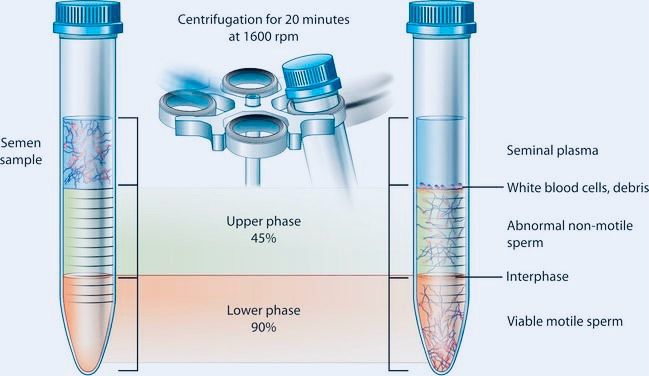
Assisted reproductive technology (ART) has emerged as a pivotal solution for human infertility, with intracytoplasmic sperm injection (ICSI) being widely adopted. The quality of sperm is critical to the outcomes of ART, and the selection of optimal sperm is essential for enhancing embryo quality. In recent years, researchers have developed various advanced sperm selection methods that simulate the natural sperm selection process occurring in the female reproductive tract. Although many studies have been conducted to identify the selection technique, many doubts and disagreements still remain.

Conclusions
Sperm selection techniques play a crucial role in improving embryo quality and clinical outcomes in ART. Traditional methods such as DGC and swim-up remain the mainstream choices in clinical practice due to their stability and broad applicability. However, their efficacy in selecting sperm from patients with severe oligoasthenozoospermia or high DNA damage is limited. Emerging technologies, which select sperm based on functional, microscopic, and biomechanical properties, have demonstrated significant improvements in sperm DNA integrity and embryonic developmental potential. Nevertheless, most studies have focused on embryological outcomes rather than clinical endpoints, necessitating further high-quality evidence to validate their effectiveness in improving live birth rates. Future research should prioritize large-scale, multicenter RCTs to define the appropriate patient populations for each technology and evaluate their cost-effectiveness. Additionally, the integration of artificial intelligence and single-cell omics into sperm selection may pave the way for precision and personalized ART, offering renewed hope to infertile couples
https://link.springer.com/content/pdf/10.1007/s10815-024-03030-y.pdf
Hey! If you found this post interesting or useful, you can help us get even better by subscribing to our newsletter. Just write your email and you’ll have the latest fertility news.
Thank you once more for your help.