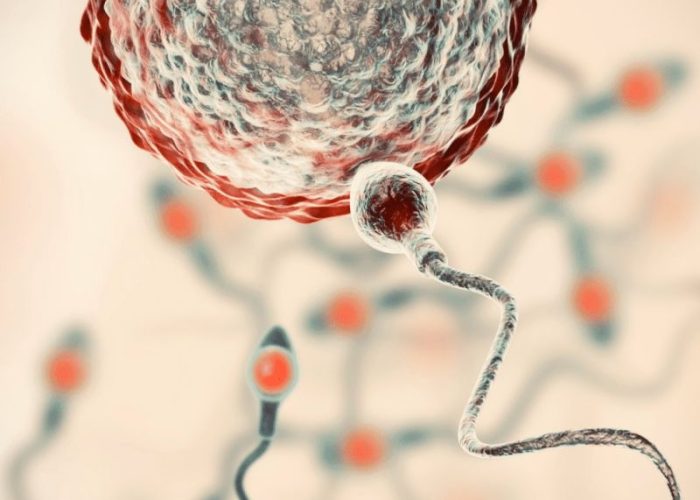
Are we measuring the whole sperm cell, or only one aspect of its reproductive potential?
Sperm DNA fragmentation (SDF) has become an increasingly important topic in reproductive medicine. Over recent years, it has attracted considerable attention because of its potential association with male infertility, impaired embryo development, pregnancy loss, and assisted reproductive technology (ART) outcomes.
There is good reason for this interest. The integrity of paternal DNA is essential for normal embryonic development, and increased sperm DNA damage may compromise reproductive potential.
However, an important question deserves more attention:
Does assessing sperm DNA fragmentation provide enough information to understand the functional competence of a sperm cell?
The answer is no. DNA integrity is an important component of sperm quality, but it is not the whole picture.
1. Sperm DNA fragmentation: An important piece of the puzzle
Sperm DNA fragmentation refers to breaks in the DNA strands within spermatozoa. These can involve single-strand or double-strand breaks and may arise through several biological mechanisms.
Oxidative stress, abnormal chromatin packaging during spermatogenesis, and abortive apoptosis are among the mechanisms associated with increased DNA damage.
Elevated SDF has been associated with reduced reproductive potential, poorer outcomes in certain ART populations, and an increased risk of pregnancy loss.
Nevertheless, the relationship is complex.
Different testing methods, including SCSA, TUNEL, Sperm Chromatin Dispersion (SCD), and Comet assays, assess different aspects of sperm DNA damage. Their results and thresholds are not necessarily interchangeable.
Furthermore, the reproductive impact of sperm DNA damage may depend partly on the oocyte’s capacity to repair paternal DNA damage following fertilization.
Therefore, an SDF result should be interpreted in the context of the couple’s clinical history, the testing method, and other relevant findings.
2. Oxidative stress: What happens beyond DNA damage?
One of the most important factors to consider is oxidative stress.
Reactive oxygen species (ROS) are naturally produced in biological systems and participate in several physiological processes. However, excessive ROS production or insufficient antioxidant protection can create oxidative stress.
Spermatozoa are particularly vulnerable because their plasma membranes contain high levels of polyunsaturated fatty acids, while their cytoplasm contains relatively limited antioxidant protection.
Excessive oxidative stress can contribute to:
- Lipid peroxidation and damage to sperm membranes.
- Impaired motility and cellular function.
- Oxidative damage to proteins.
- DNA base modifications and DNA strand breaks.
- Alterations in the sperm’s ability to participate in fertilization.
Importantly, oxidative stress and DNA fragmentation are related, but they are not identical.
DNA fragmentation may represent one downstream consequence of oxidative damage. Measuring DNA fragmentation alone does not necessarily reveal the underlying oxidative environment or the extent of other cellular damage.
This raises an important question: Could assessing oxidative balance provide complementary information when evaluating male reproductive potential?
Several approaches have been investigated, including direct ROS measurement, oxidation-reduction potential (ORP), and antioxidant capacity assays. However, standardisation and clinical validation remain important limitations, and routine testing is not yet universally established.
3. Mitochondrial function: More than an energy question
Another important aspect of sperm functionality is mitochondrial activity.
Mitochondria are located in the sperm midpiece and participate in cellular energy metabolism. They are also involved in redox regulation and the production of reactive oxygen species.
Their functional status has been associated with sperm motility and other aspects of sperm physiology.
Mitochondrial dysfunction may be accompanied by:
- Altered mitochondrial membrane potential.
- Disturbed energy metabolism.
- Increased ROS production.
- Oxidative damage to cellular components.
- Changes in sperm motility and functional competence.
It is important to recognise that sperm energy production also involves glycolysis, and the relative contribution of mitochondrial oxidative phosphorylation to motility remains an area of scientific discussion.
Nevertheless, mitochondrial activity represents another biological dimension that cannot be fully described by a DNA fragmentation result.
If we want to understand the functional state of spermatozoa, should we not also investigate their metabolic and mitochondrial characteristics?
4. The limitations of looking at individual parameters
Traditional semen analysis remains the foundation of male fertility assessment. Concentration, motility, and morphology provide essential information.
Additional tests, such as sperm DNA fragmentation, may provide further insight in selected clinical situations.
But each test answers a different question:
- Semen analysis: What are the basic characteristics of the sperm population?
- DNA fragmentation testing: What is the extent of sperm DNA damage?
- Oxidative stress assessment: Is there an imbalance between oxidants and antioxidant protection?
- Mitochondrial assessment: What can we learn about mitochondrial activity and cellular energy metabolism?
- Membrane and functional assessments: What can we learn about the structural and physiological competence of spermatozoa?
No individual test can describe every aspect of sperm functionality.
A normal DNA fragmentation result does not necessarily mean that all other sperm functions are normal. Similarly, an elevated result does not automatically predict fertilization failure, poor embryo quality, or an unsuccessful IVF cycle.
The interaction between sperm, oocyte, and embryo development is much more complex.
5. Towards a more comprehensive functional sperm analysis
Perhaps it is time to move the discussion beyond the question of whether sperm DNA is fragmented.
Instead, we should consider a broader approach that investigates multiple aspects of sperm biology.
A comprehensive functional assessment could explore different dimensions, including:
- Conventional semen parameters.
- DNA integrity and chromatin quality.
- Oxidative stress and redox balance.
- Mitochondrial activity and membrane potential.
- Plasma membrane integrity.
- Acrosomal status and functional competence.
- Motility characteristics and movement patterns.
This does not mean that every parameter should become a routine clinical test. Each additional assessment needs analytical validation, reproducibility, clinically meaningful reference values, and evidence that it contributes useful information beyond existing tests.
The objective should not be to increase the number of tests without purpose.
It should be to understand sperm biology more comprehensively and identify which combinations of measurements can improve clinical decision-making.
6. What could this mean for IVF and ICSI?
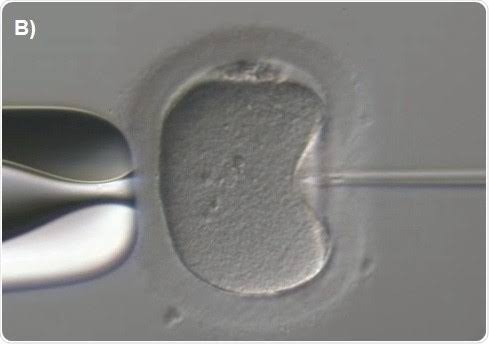
In IVF and particularly ICSI, sperm selection is a critical laboratory step.
Embryologists select sperm based on the characteristics that can be observed and assessed using available laboratory methods.
However, many important biological characteristics cannot be directly determined through routine visual assessment.
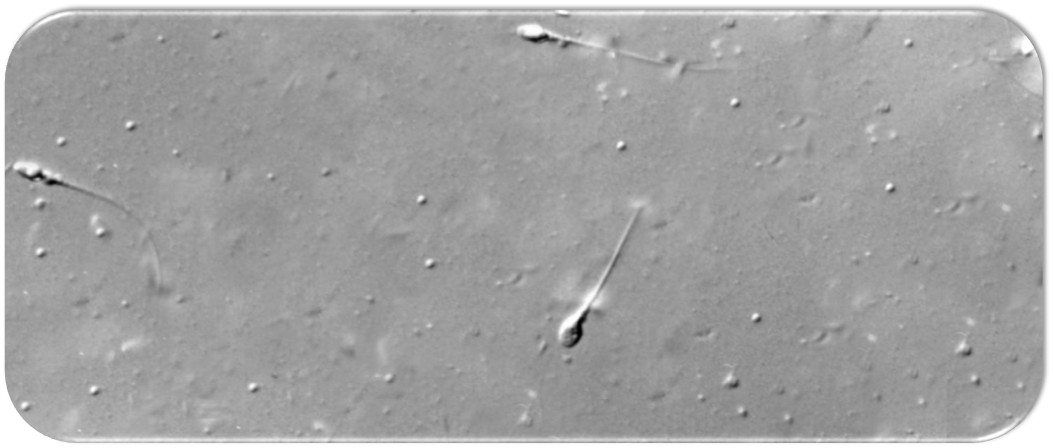
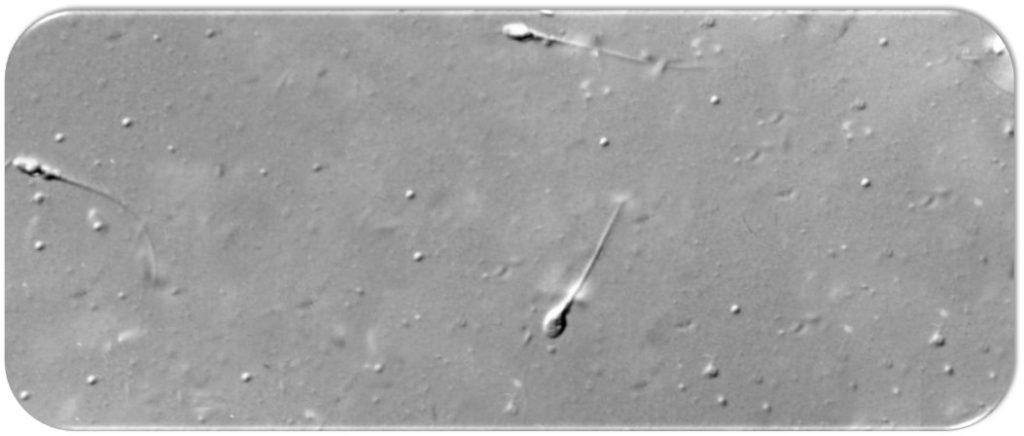
A spermatozoon that appears morphologically normal and demonstrates good motility is not necessarily free from DNA damage or other functional abnormalities.
Likewise, a DNA fragmentation result obtained from a semen sample does not tell us the complete functional status of every individual spermatozoon.
This distinction is particularly important: sample-level testing and individual-cell selection do not provide the same type of information.
Future research should investigate whether combining complementary functional measurements with improved sperm assessment and selection methods can provide more meaningful information for the IVF laboratory.
Ultimately, the goal should be to understand not only what sperm look like, but also what they are biologically capable of doing.
Conclusion: It is time to look beyond DNA fragmentation
Sperm DNA fragmentation is an important biomarker, but it should not be considered a complete representation of sperm quality.
Oxidative stress, mitochondrial function, membrane integrity, chromatin organisation, and other cellular characteristics contribute to the complex biology of spermatozoa.
The future of andrology may depend on moving towards a more integrated understanding of sperm functionality, combining established assessments with emerging technologies and validated functional biomarkers.
Perhaps the most important question is no longer simply: Is the sperm DNA fragmented?
It is: How functionally competent is the sperm cell as a whole?
Because understanding male reproductive potential requires looking beyond a single parameter.
Scientific perspective: A comprehensive functional sperm assessment is an evolving concept rather than a universally standardised clinical test panel. The clinical value of individual biomarkers and their combined predictive ability requires further validation.
Hey! If you found this post interesting or useful, you can help us get even better by subscribing to our newsletter. Just write your email and you’ll have the latest fertility news.
Thank you once more for your help.